
Author: HVAC Editorial
-
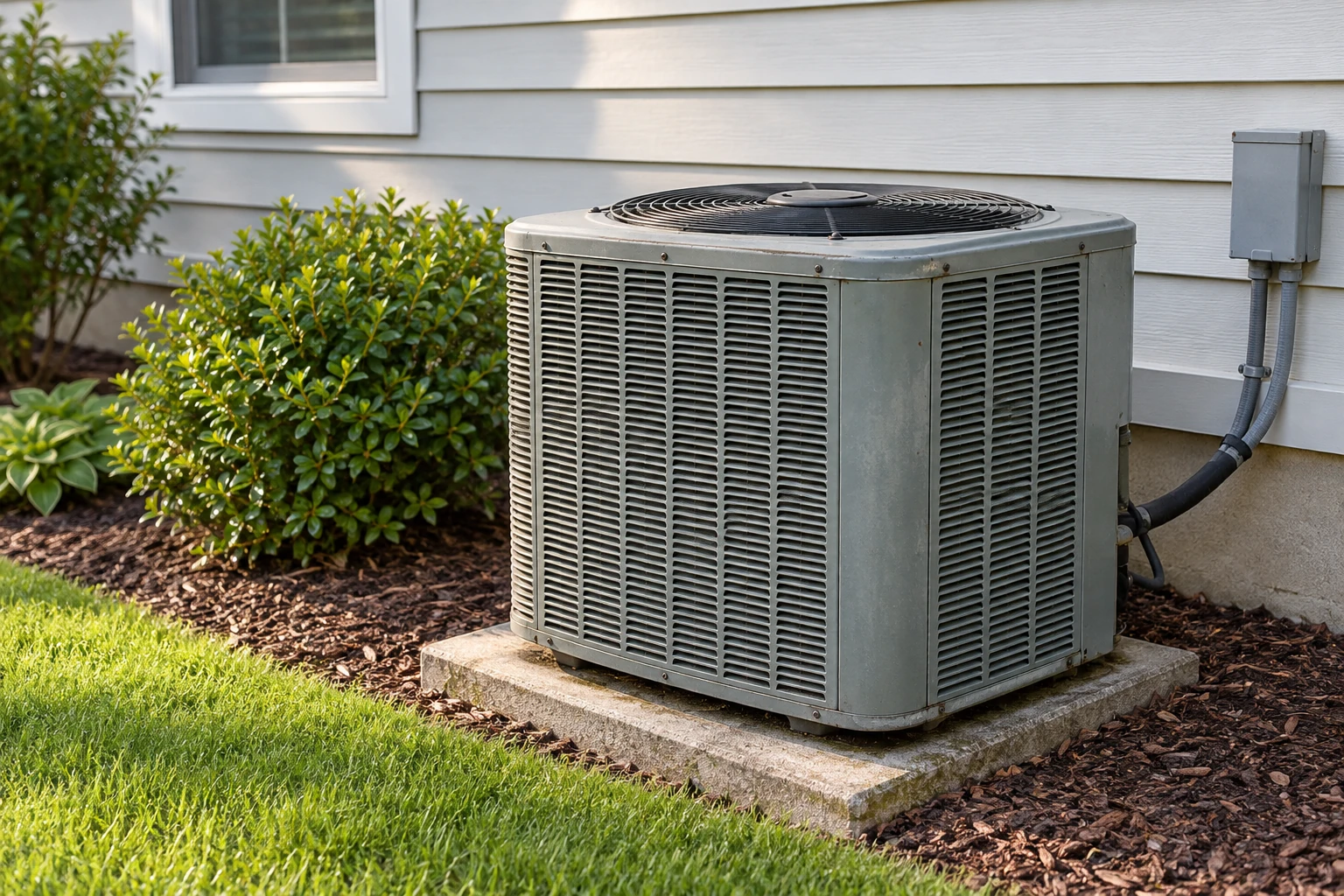
Central AC Lifespan: Plan Replacement Without an Age-Only Rule
Use age, condition, service records, and documented alternatives to plan central AC replacement without an arbitrary deadline.
-

Return Air Vents: Keep Air Paths Open Without Modifying Ductwork
Recognize return-air paths, document door-related comfort patterns, and know when to request professional assessment.
-

AC Short Cycling: What to Record Before Calling for Service
Document repeated cooling interruptions safely and prepare a focused service request without resetting or opening equipment.
-
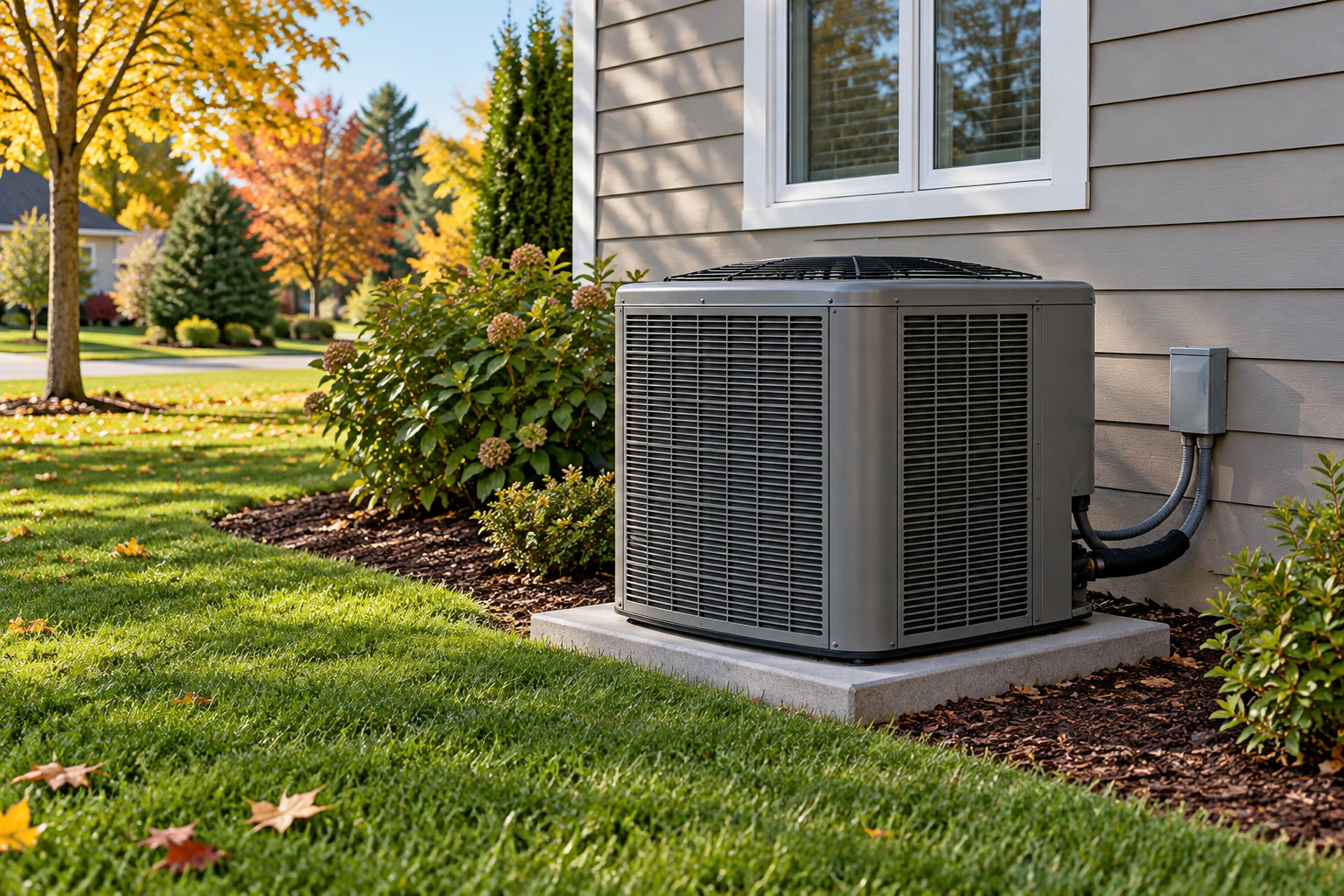
Heat Pump Maintenance: Plan Care for Heating and Cooling Seasons
Organize heat pump care across heating and cooling seasons, separating safe owner tasks from professional service.
-
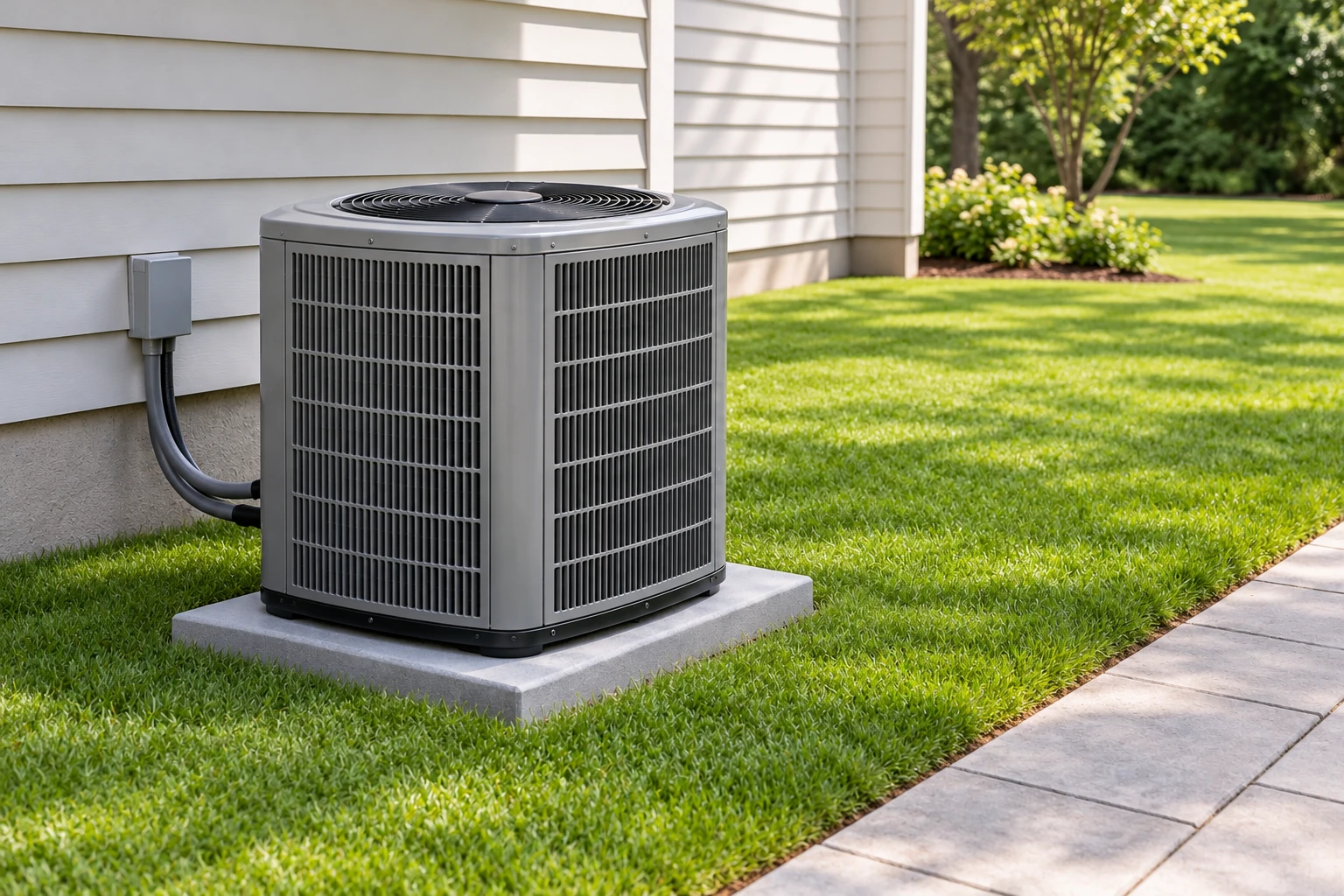
Outdoor AC Unit Clearance: Plan Landscaping Without Blocking Airflow
Plan plants, screens, and service access around an outdoor AC unit using model-specific requirements rather than one universal clearance rule.
-

Frozen AC Coil: What Visible Ice Means and When to Stop Cooling
Recognize visible AC icing, stop cooling safely, and prepare useful observations for a professional assessment without opening equipment.
-

AC Condensate Drain Problems: What Water Leaks Mean and When to Stop
Respond safely to suspected AC condensate leaks, document the symptoms, and understand what a professional drainage assessment should clarify.
-

Thermostat Placement: How to Assess the Location Before Moving It
Assess the temperature reference, document room conditions, and ask the right questions before moving a thermostat.
-
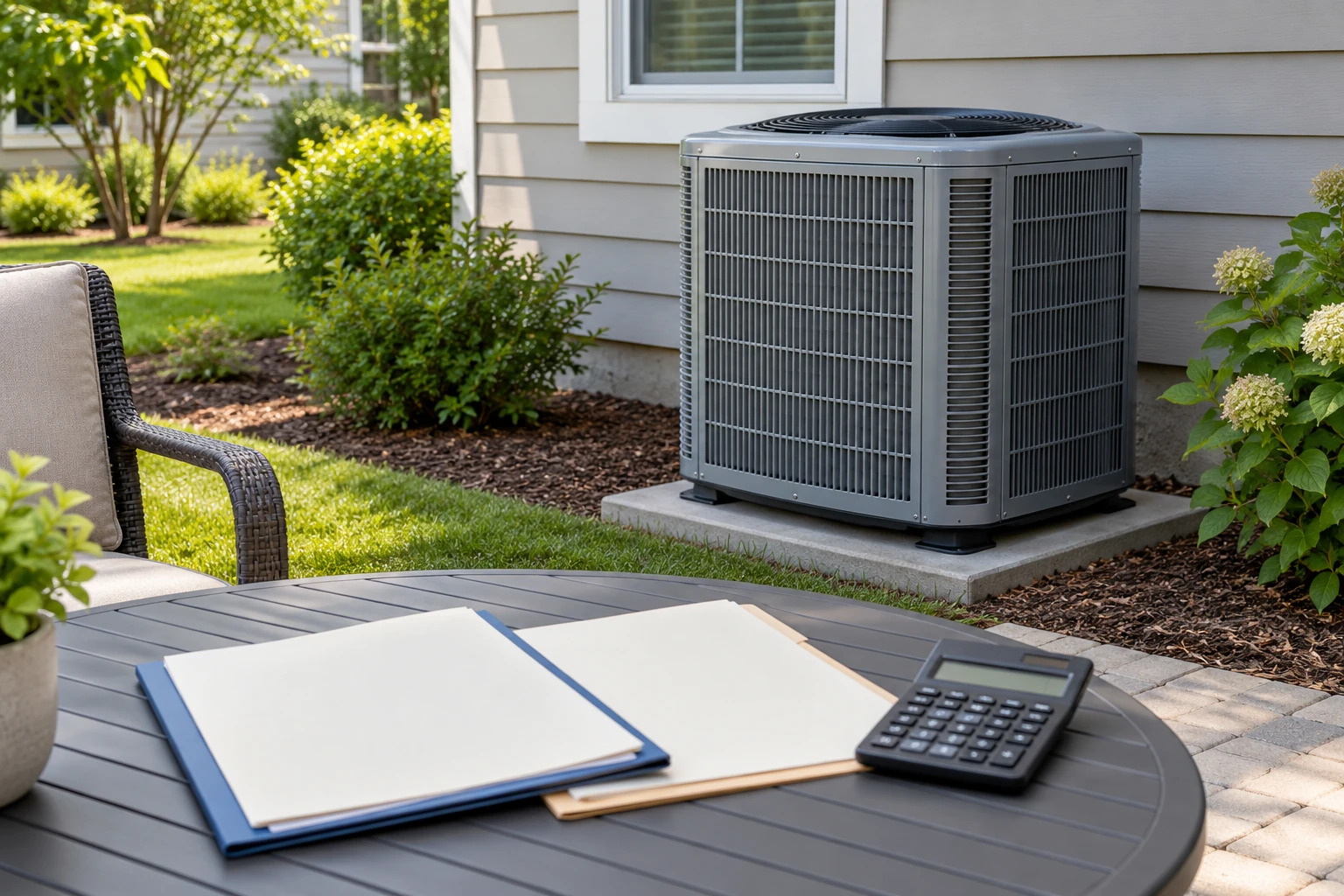
SEER2 vs EER2: How to Compare AC Efficiency Ratings
Understand SEER2 and EER2, match ratings to proposed equipment, and question assumptions behind AC energy-savings claims.
-
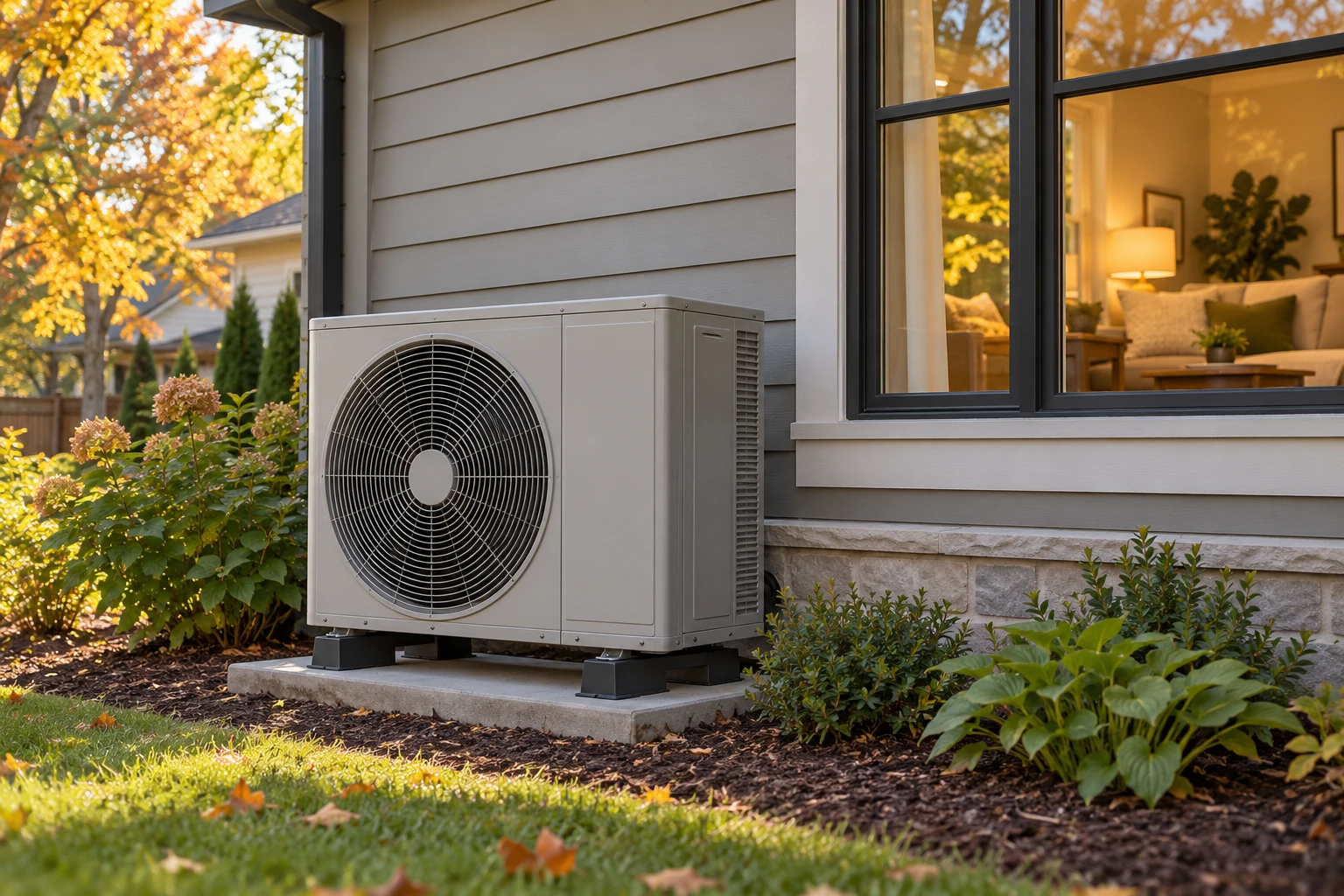
Heat Pump vs Air Conditioner: What Changes Beyond Cooling
Compare the heating and cooling roles, retained equipment, winter-performance questions, and scope of AC and heat-pump proposals.